Wie sorgen unterschiedliche Beschichtungen dafür, dass Neodym-Magnete glatt und langlebig bleiben?
Dec 11, 2025
Wenn Kunden einen fertigen Neodym-Magneten in die Hand nehmen, fällt ihnen oft als Erstes die glatte, glänzende, gleichmäßige und nahezu perfekte Oberfläche auf. Doch unter dieser seidigen Oberfläche verbergen sich eine Reihe hochpräziser Fertigungsprozesse. Ob Vernickelung, Verzinkung, Epoxidharz-, Vergoldung oder Poly(p-xylol)-Beschichtung – jede Schicht erfordert eine präzise Fertigung, um Leistung, Langlebigkeit und Korrosionsbeständigkeit zu gewährleisten.
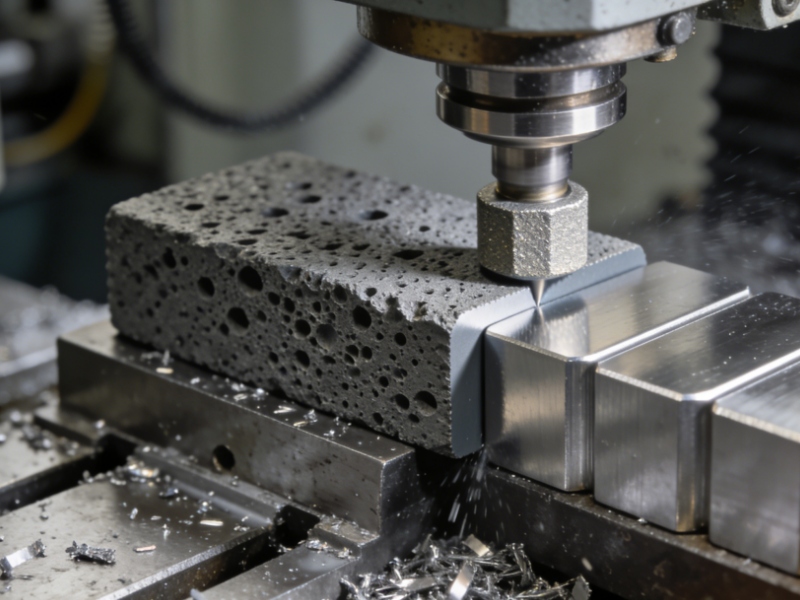
Die Bildung der glatten Oberfläche beginnt mit dem ursprünglichen gesinterter Neodym-MagnetDie Oberfläche dieser Magnete ist typischerweise porös und rau. Vor dem Aufbringen einer Beschichtung muss jeder Magnet sorgfältig mit Diamantwerkzeugen geschliffen und poliert werden, um enge Maßtoleranzen zu erreichen. Dieser Schritt bestimmt nicht nur die endgültige Präzision des Magneten, sondern auch die Gleichmäßigkeit der Beschichtungshaftung.
Im nächsten Schritt erfolgt die Oberflächenaktivierung – ein mit bloßem Auge nicht sichtbarer, aber für die Haftung der Beschichtung entscheidender Schritt. Der Magnet wird ultraschallgereinigt, entfettet und chemisch behandelt, um selbst kleinste Verunreinigungen zu entfernen. Dadurch wird sichergestellt, dass jede Beschichtungsschicht fest haftet und sich mit der Zeit nicht ablöst oder Blasen wirft.
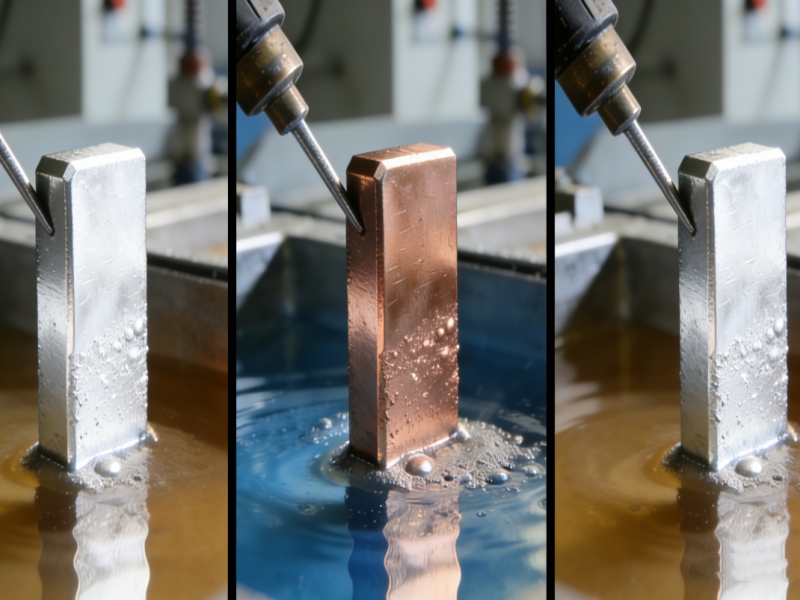
Unterschiedliche Beschichtungen erfordern unterschiedliche technische Verfahren. Zum Beispiel das klassische NdFeB-MagneteNickel-Kupfer-Nickel-Galvanisierung Das Verfahren erfordert mehrere Beschichtungszyklen. Jede Schicht erfüllt einen spezifischen Zweck: Verbesserung der Korrosionsbeständigkeit, Erhöhung der mechanischen Stabilität und Erzielung eines hellen, metallischen Glanzes. Obwohl die Zinkbeschichtung dünner ist, erfordert sie eine präzise Stromregelung, um eine gleichmäßige, matte Oberfläche zu erzielen, wodurch sie sich für kostensensible Anwendungen eignet.
Epoxidbeschichtungen gehen noch einen Schritt weiter. Sie nutzen kontrollierte Sprüh- oder Tauchbeschichtungsverfahren mit anschließender Hochtemperaturhärtung, um eine glatte, verschleißfeste Außenschicht zu bilden. Die Herausforderung besteht darin, eine gleichmäßige Beschichtungsdicke (typischerweise im Bereich von 0,02–0,05 mm) zu gewährleisten und gleichzeitig Blasenbildung und Tropfenbildung zu vermeiden.
Für High-End-Anwendungen erfordern Spezialbeschichtungen wie Gold und Poly(p-xylol) einen höheren technischen Aufwand. Die Vergoldung setzt strenge Umweltkontrollen voraus, um Verunreinigungen zu vermeiden, während Poly(p-xylol)-Beschichtungen mittels Dampfabscheidung einen extrem glatten, porenfreien Schutzfilm bilden, der sich ideal für medizinische Bauteile und Sensoren eignet.
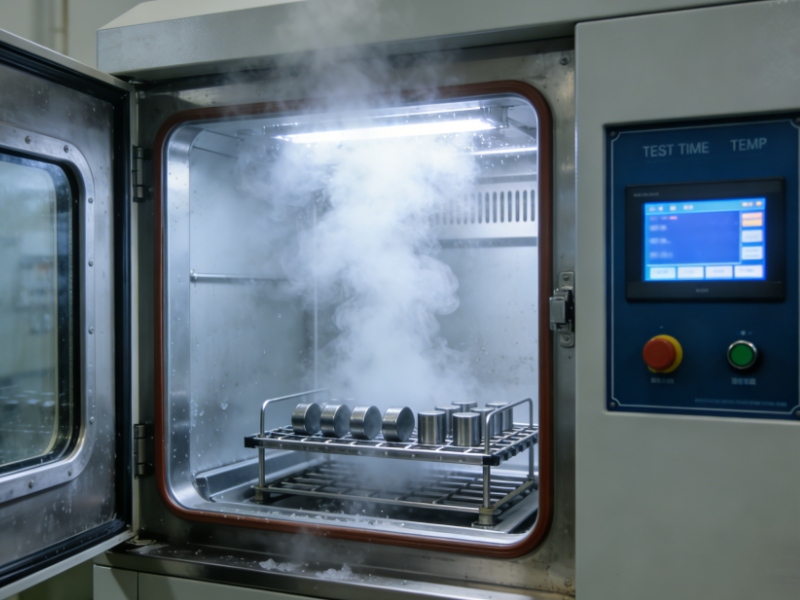
Nach der Beschichtung wird jeder Magnet einer Sichtprüfung, Dickenmessung und Haftungsprüfung unterzogen, beispielsweise einer Gitterschnittprüfung oder einem Salzsprühnebeltest. Nur Magnete, die alle Standards erfüllen, erhalten die vom Kunden erwartete polierte Oberfläche.
Hinter jedem glatte Beschichtung Neomagnet Es handelt sich nicht nur um eine Beschichtung, sondern um ein komplettes technisches System, das ihre Stabilität, Zuverlässigkeit und langfristige Leistungsfähigkeit in praktischen Anwendungen gewährleistet.
Wenn Sie an unseren Produkten interessiert sind und weitere Einzelheiten erfahren möchten, hinterlassen Sie bitte hier eine Nachricht. Wir werden Ihnen so schnell wie möglich antworten.


 en
en de
de Hefei Super Electronics Co., Ltd.


 IPv6-Netzwerk unterstützt