Wie wir Ihre individuellen Magnete herstellen
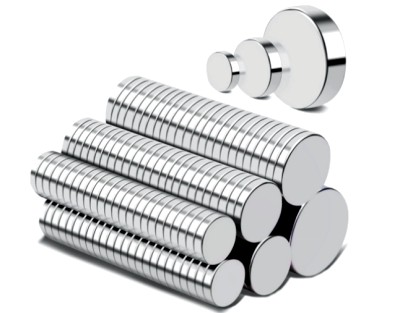
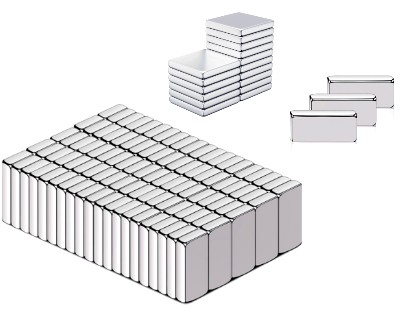
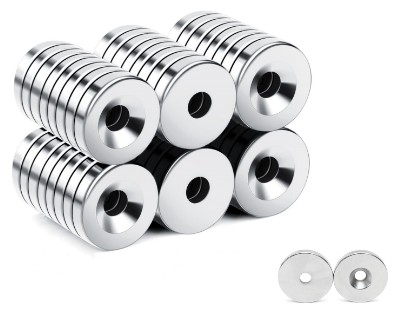
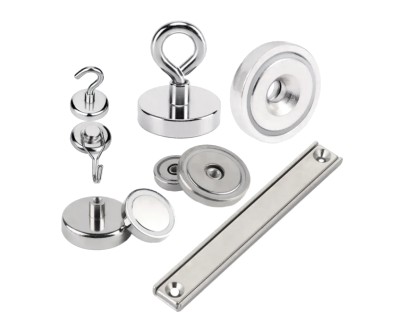
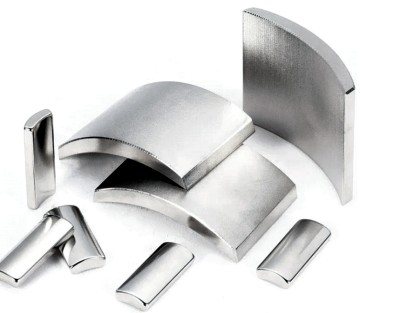
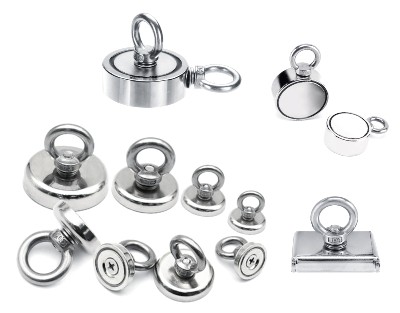
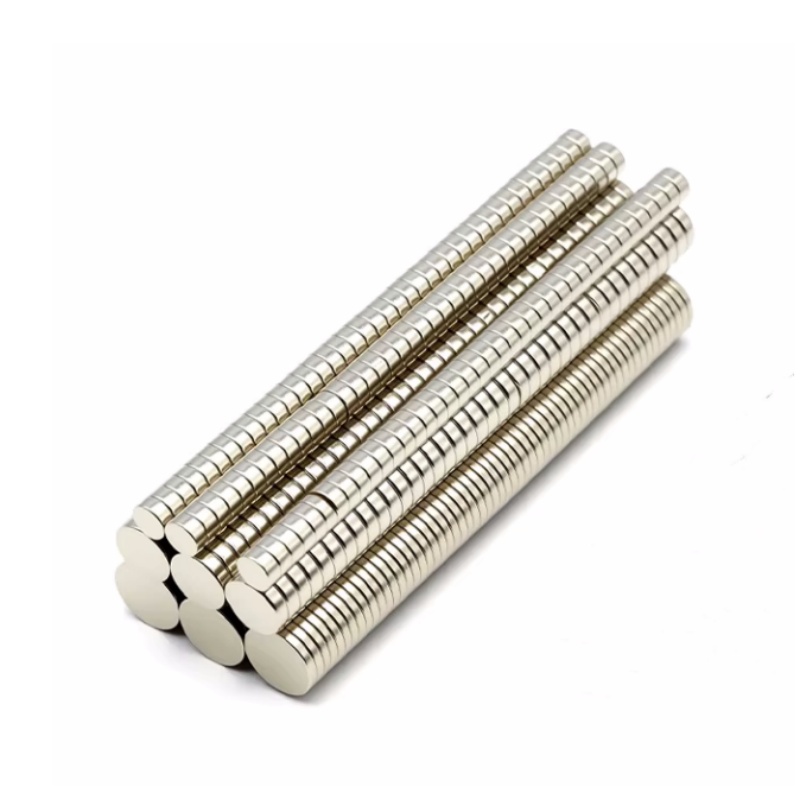
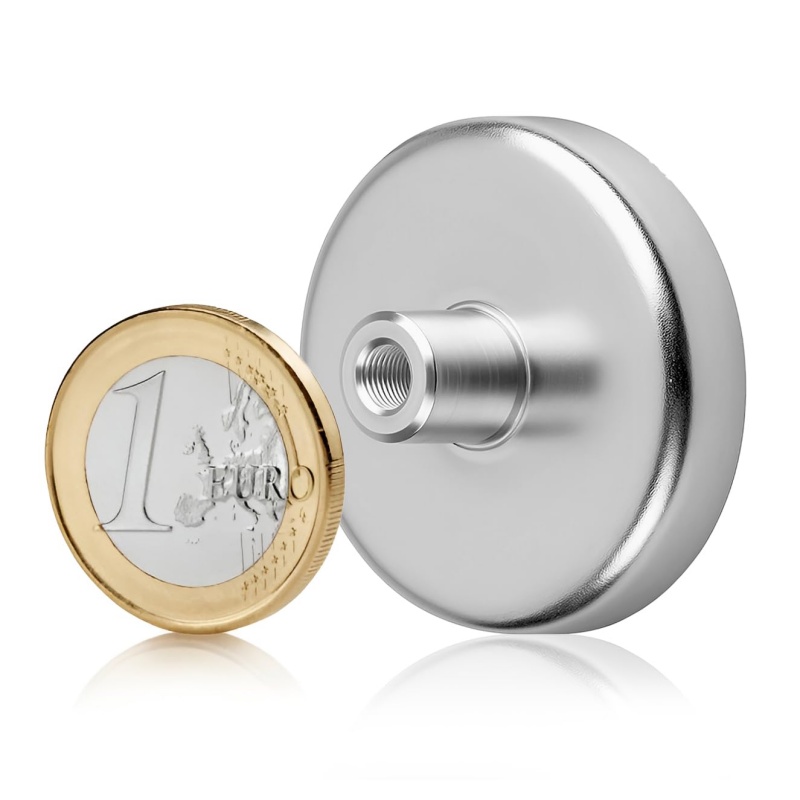
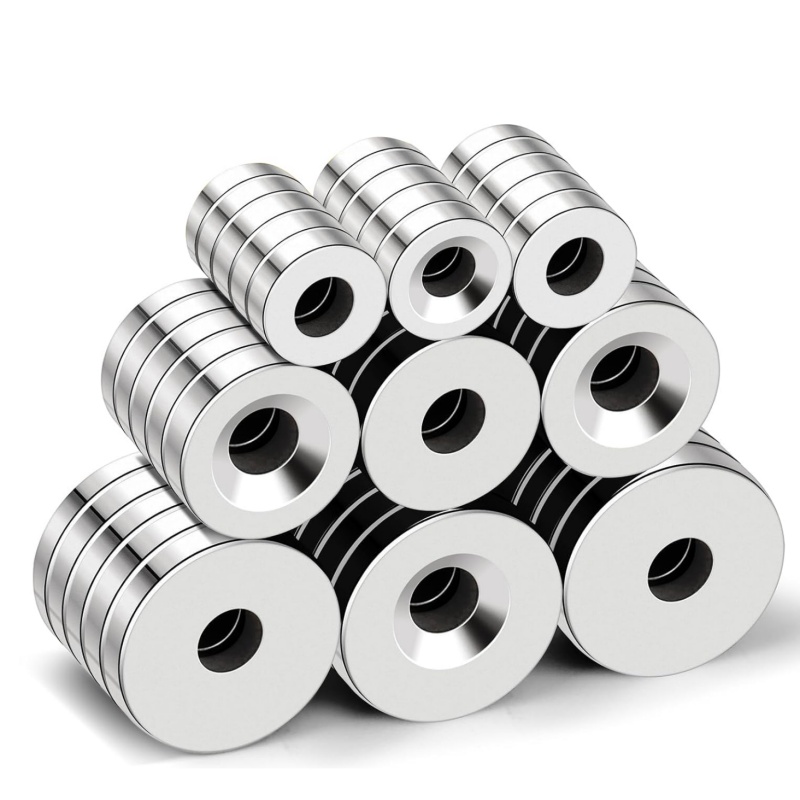
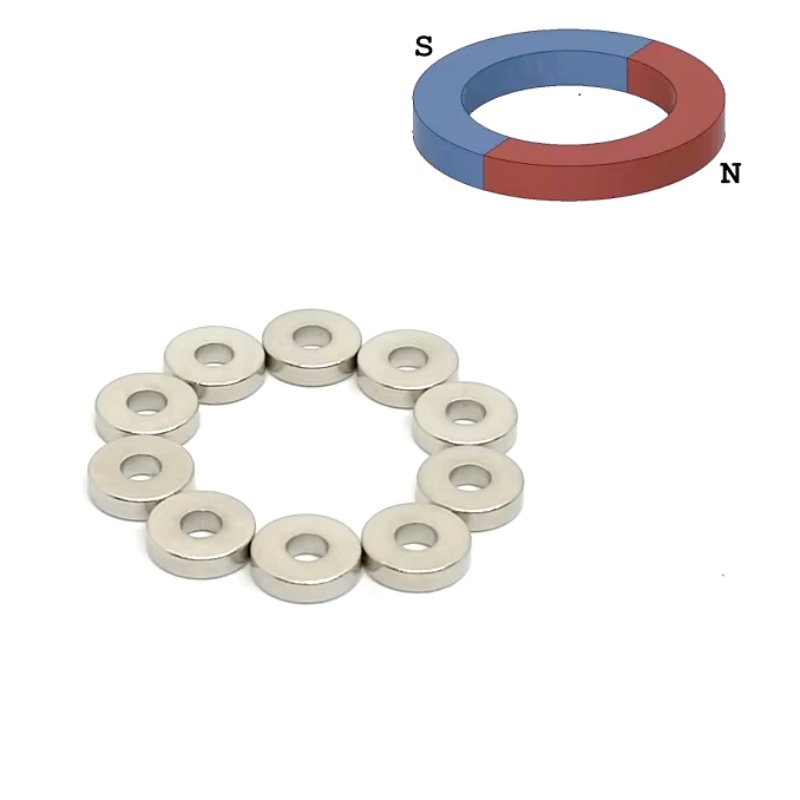
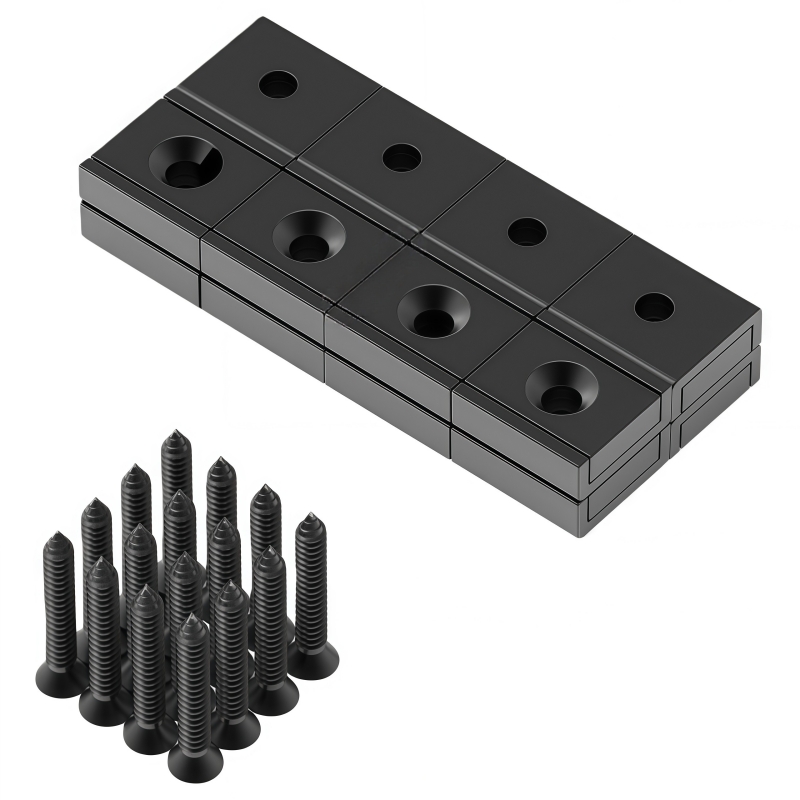
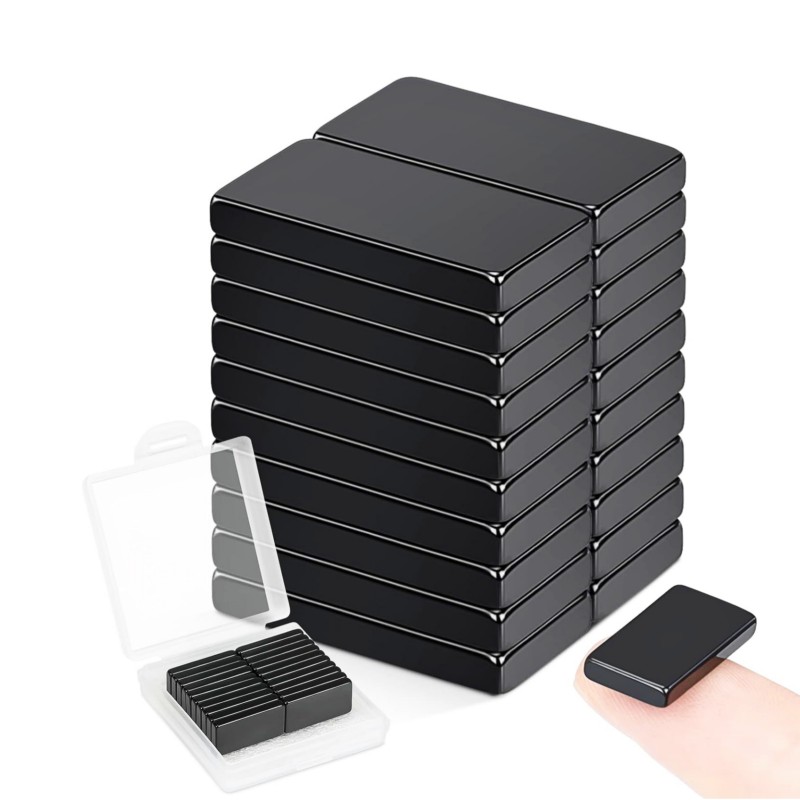
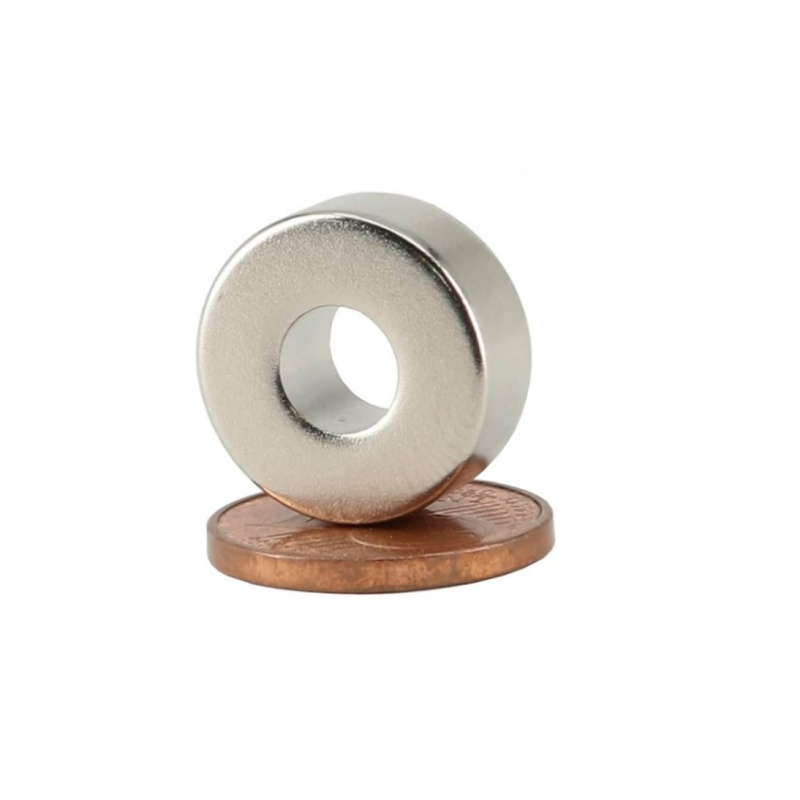
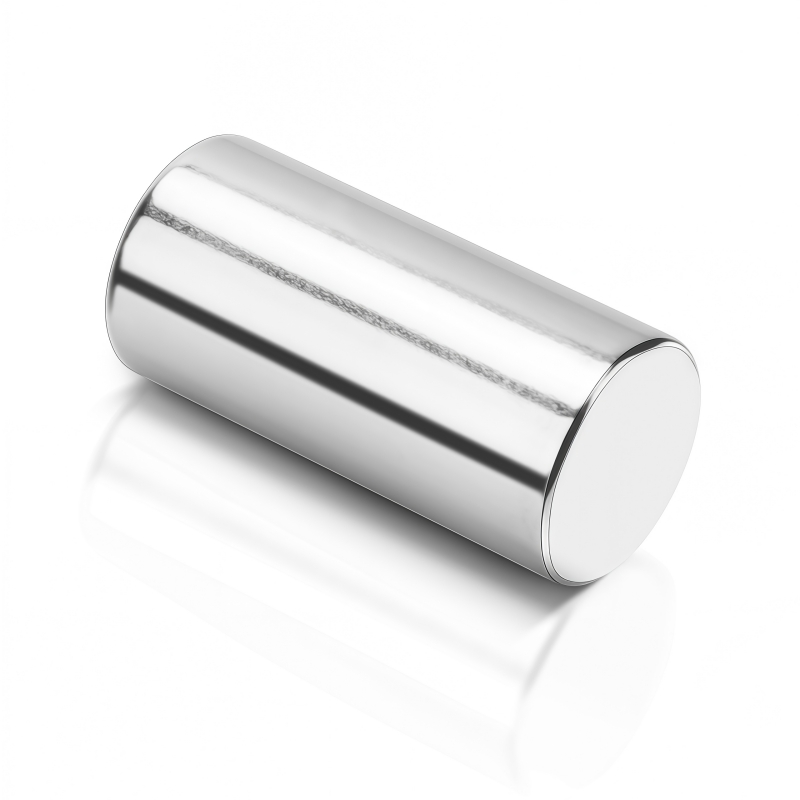
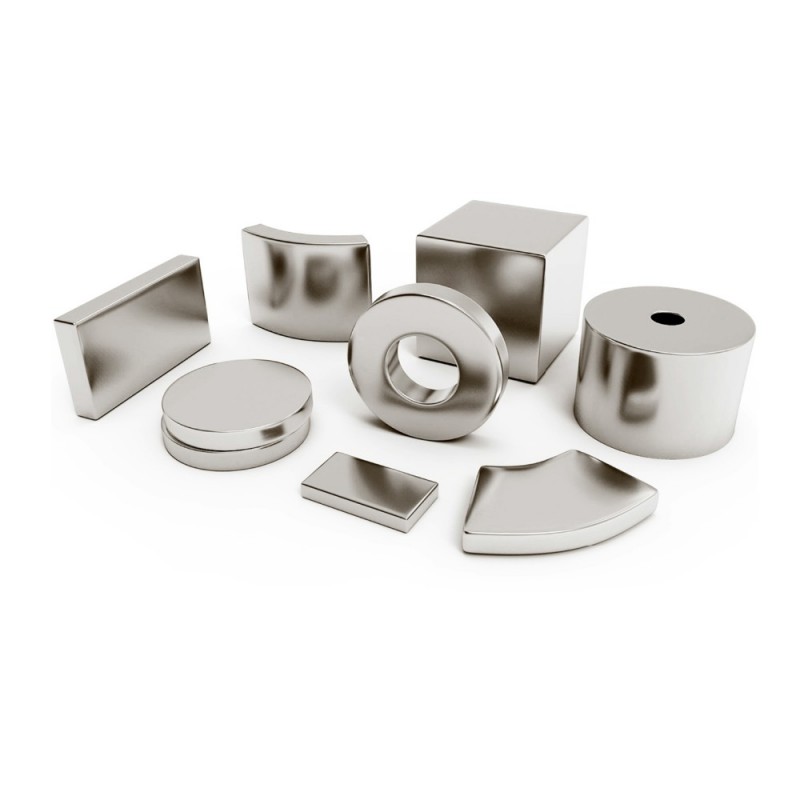
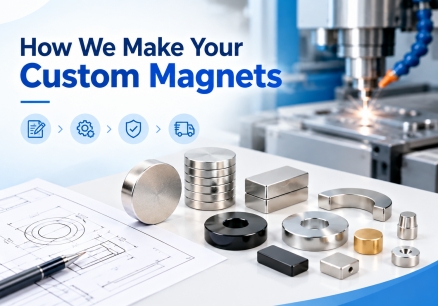
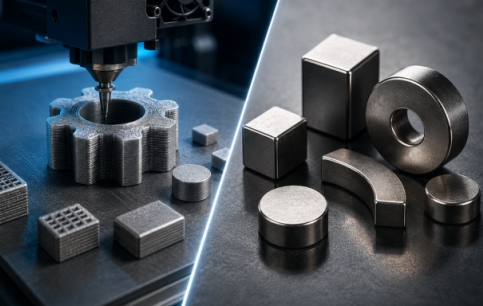
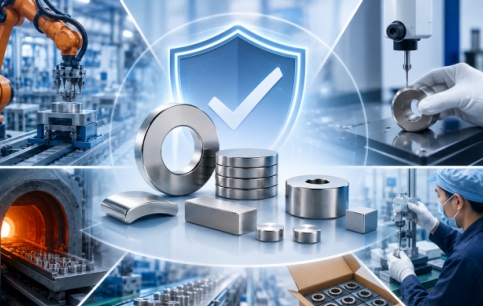
Jede Magnetanwendung ist anders. Von einer bestimmten Größe und Form über eine spezielle Beschichtung bis hin zu magnetischer Richtung oder Leistungsanforderungen – Standardmagnete erfüllen möglicherweise nicht immer Ihre Bedürfnisse. SupermagnetWir bieten kundenspezifische Magnetfertigungsdienstleistungen an, um Kunden dabei zu helfen, ihre Ideen und Zeichnungen in zuverlässige Magnetprodukte umzusetzen.Aber wie stellen wir ein kundenspezifischer Neodym-Magnet? Hier ist ein Überblick über unseren Fertigungsprozess. Verstehen Sie Ihre AnforderungenIm ersten Schritt gilt es, Ihre Anforderungen genau zu verstehen. Unser Team prüft Ihre Zeichnungen, Abmessungen, Magnetisierungsrichtung, Magnetisierungsgrad, Beschichtung, Toleranzen, Betriebstemperatur und Anwendungsanforderungen.Wenn Sie sich nicht sicher sind, welche Magnetqualität oder -spezifikation geeignet ist, können Ihnen unsere Ingenieure basierend auf Ihrer Anwendung eine passende Lösung empfehlen. Wählen Sie das richtige MagnetmaterialUnterschiedliche Anwendungen erfordern unterschiedliche magnetische Materialien und Leistungsniveaus. Für die meisten Hochleistungsanwendungen sind Neodym-Magnete (NdFeB) aufgrund ihrer hohen magnetischen Stärke und kompakten Bauweise eine ausgezeichnete Wahl.Wir können Ihnen je nach Ihren Anforderungen verschiedene Qualitäten anbieten, darunter Standard- und Hochtemperaturqualitäten. Präzisionsschneiden und -bearbeitenNach Bestätigung der Spezifikationen wird das Magnetmaterial in die gewünschte Größe und Form gebracht. Je nach Ausführung können die Fertigungsprozesse Schneiden, Schleifen, Bohren, Laserschneiden und andere Präzisionsbearbeitungsverfahren umfassen.Bei kundenspezifischen Magneten ist die Maßgenauigkeit besonders wichtig, da bereits eine kleine Abweichung die Montage oder die Leistung beeinträchtigen kann. Oberflächenbeschichtung und -schutzNeodym-Eisen-Bor-Magnete Sie werden üblicherweise mit einer geeigneten Beschichtung geschützt, um die Korrosionsbeständigkeit und Haltbarkeit zu verbessern. Gängige Optionen sind Nickel-Kupfer-Nickel (Ni-Cu-Ni), Epoxid-, Zink- und Goldbeschichtungen.MagnetisierungDie Magnetisierungsrichtung ist ein weiterer entscheidender Aspekt bei der Herstellung kundenspezifischer Magnete. Magnete können in verschiedenen Ausrichtungen magnetisiert werden, beispielsweise axial, diametral, multipolartig oder in kundenspezifischen Richtungen.Wir überprüfen vor Produktionsbeginn sorgfältig die erforderliche Magnetisierungsrichtung, um sicherzustellen, dass die fertigen Magnete dem Design des Kunden entsprechen. QualitätsprüfungVor dem Versand wird jede Charge einer Qualitätskontrolle unterzogen. Wir überprüfen wichtige Spezifikationen wie Abmessungen, Aussehen, Zustand der Beschichtung, magnetische Eigenschaften und Magnetisierungsrichtung.Bei kundenspezifischen Bestellungen können wir vor der Serienproduktion auch Muster zum Testen bereitstellen. So können Kunden die Passform und Leistung der Magnete in ihren Anwendungen überprüfen. Mit über 20 Jahren Erfahrung in der Magnetindustrie bieten wir zuverlässige, kundenspezifische Magnetlösungen für Kunden weltweit.Wir liefern kundenspezifische Blockmagnete, Ringmagnete, Scheibenmagnete, Topfmagnete, Senkmagnete, Motormagnete und speziell geformte NdFeB-MagneteOb Sie eine kleine Prototypenbestellung oder eine regelmäßige Serienproduktion benötigen, wir können eine passende Lösung entsprechend Ihren Anforderungen entwickeln.


 en
en de
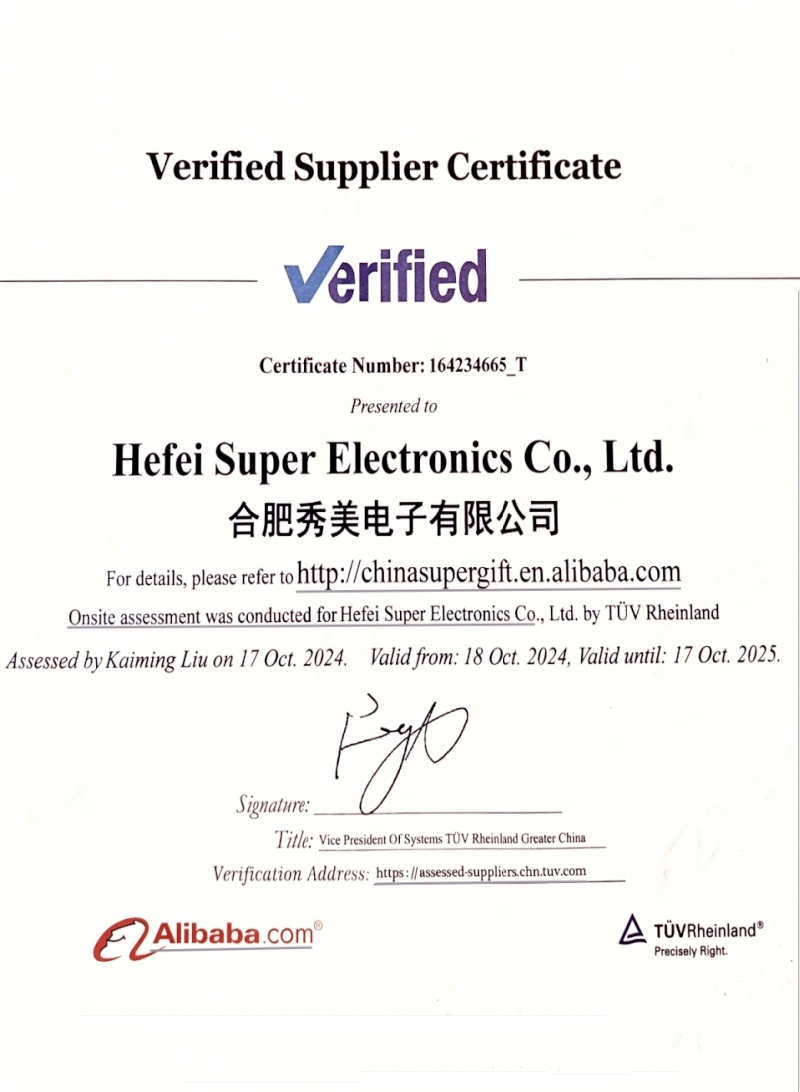
de Hefei Super Electronics Co., Ltd.




 0+
0+ 0+
0+ 0
0


 IPv6-Netzwerk unterstützt