Bei vielen magnetischen Systemen wird eine Erhöhung der Magnetstärke oft als direkter Weg zur Leistungssteigerung angesehen. Allerdings gibt es eine physikalische Grenze für die maximale magnetische Leistung eines Materials. Diese Grenze wird als magnetische Sättigung bezeichnet und spielt eine entscheidende Rolle für die Effektivität von NdFeB-Magneten in realen Anwendungen.
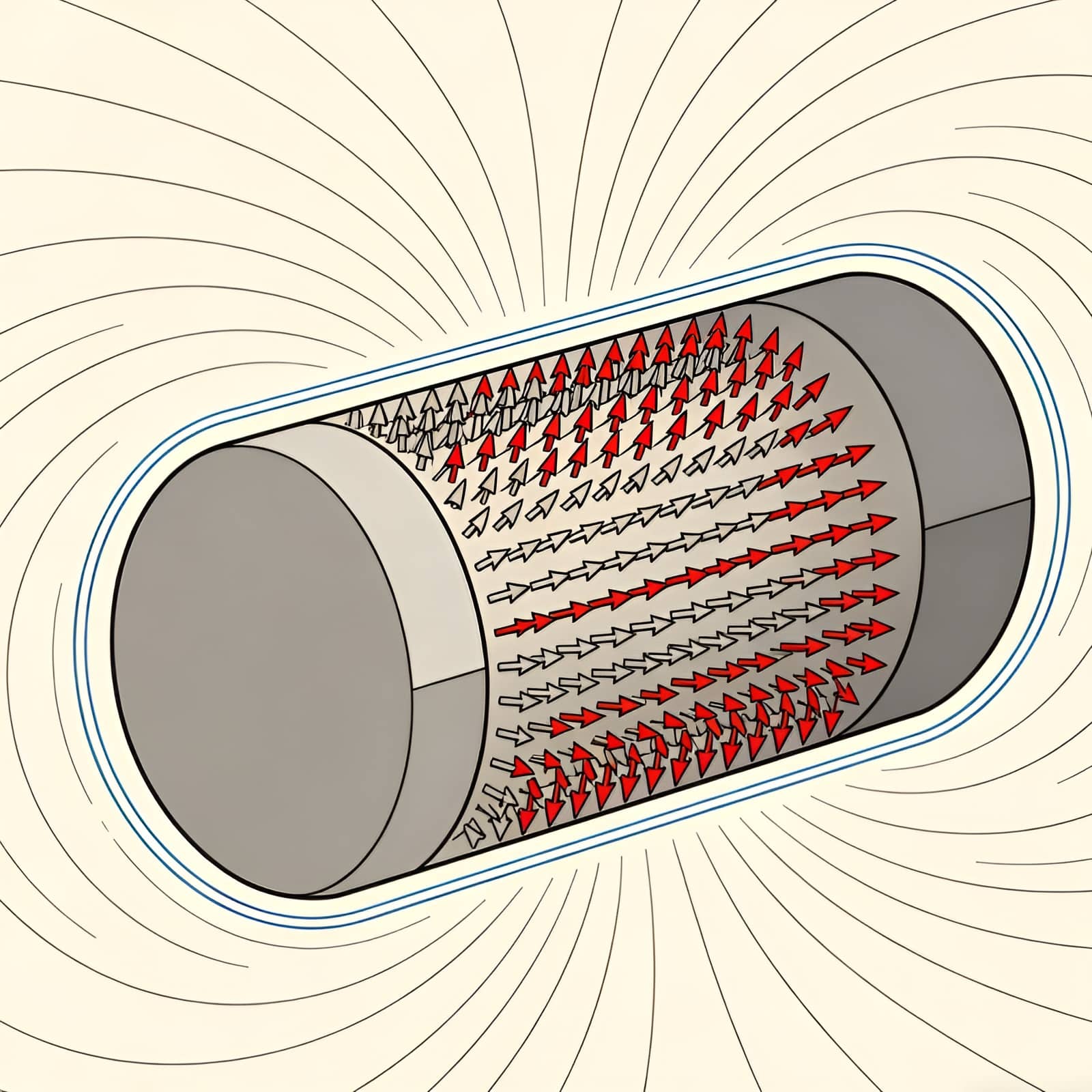
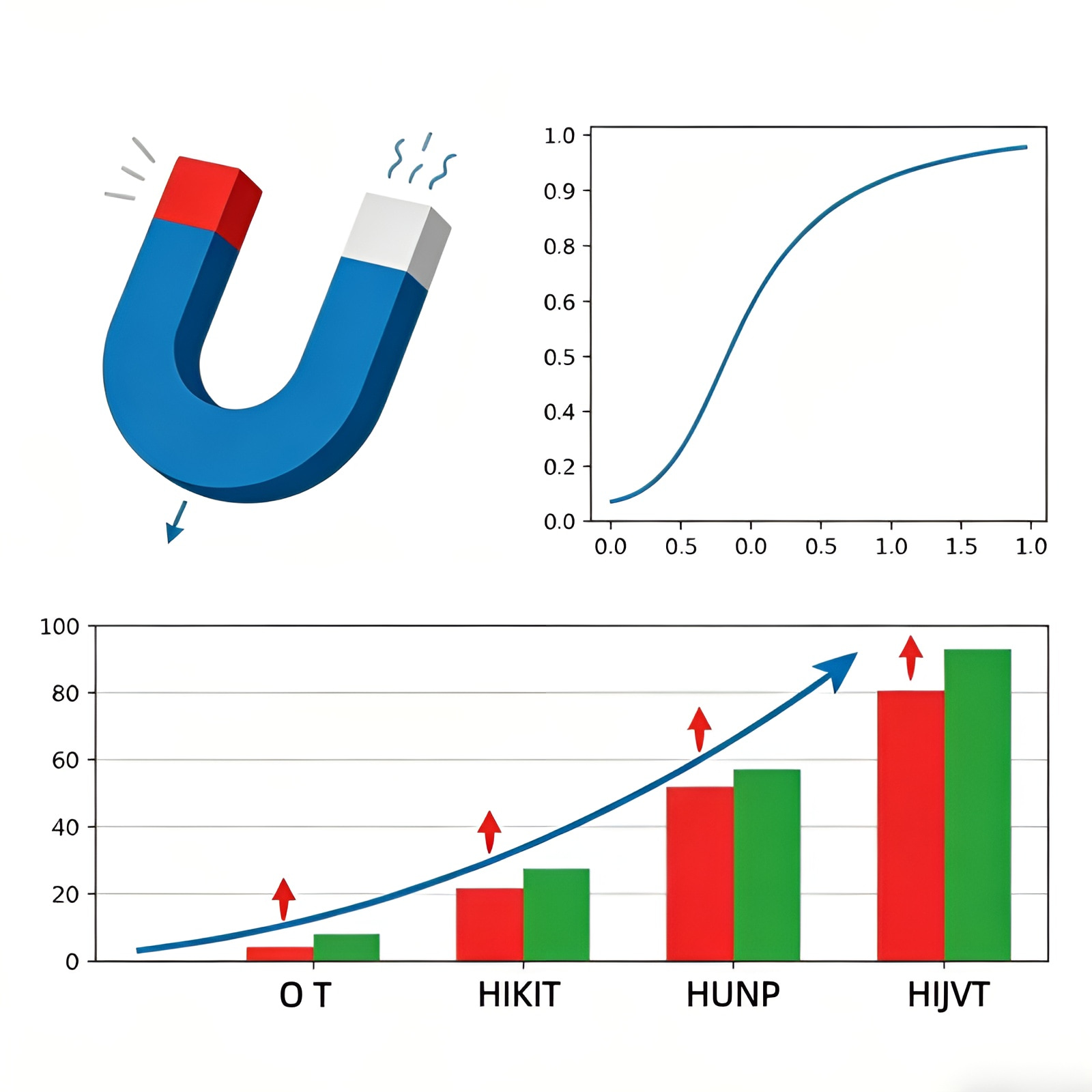
Magnetische Sättigung tritt ein, wenn ein Material seine magnetische Leistung trotz eines stärkeren externen Magnetfelds nicht weiter steigern kann. In einem Neodym-Magneten richten sich während der Magnetisierung unzählige magnetische Domänen aus. Sind nahezu alle diese Domänen vollständig ausgerichtet, erreicht das Material seinen maximalen magnetischen Zustand – dies wird als Sättigung bezeichnet. Jenseits dieses Punktes führt eine Erhöhung der Magnetisierungskraft nicht mehr zu einer signifikanten Steigerung der magnetischen Flussdichte.
Für langlebige NdFeB-MagneteDie Sättigung hängt eng mit intrinsischen Materialeigenschaften wie Remanenz (Br) und Koerzitivfeldstärke (Hc) zusammen. Hochwertige Neodym-Magnete werden so konstruiert, dass sie eine starke magnetische Leistung bei gleichzeitig hoher Entmagnetisierungsbeständigkeit erzielen. Allerdings stoßen auch die hochwertigsten Magnete an eine physikalische Grenze. Das Verständnis dieser Grenze ist essenziell, insbesondere bei Anwendungen mit starken magnetischen Kreisen oder externen Magnetfeldern.
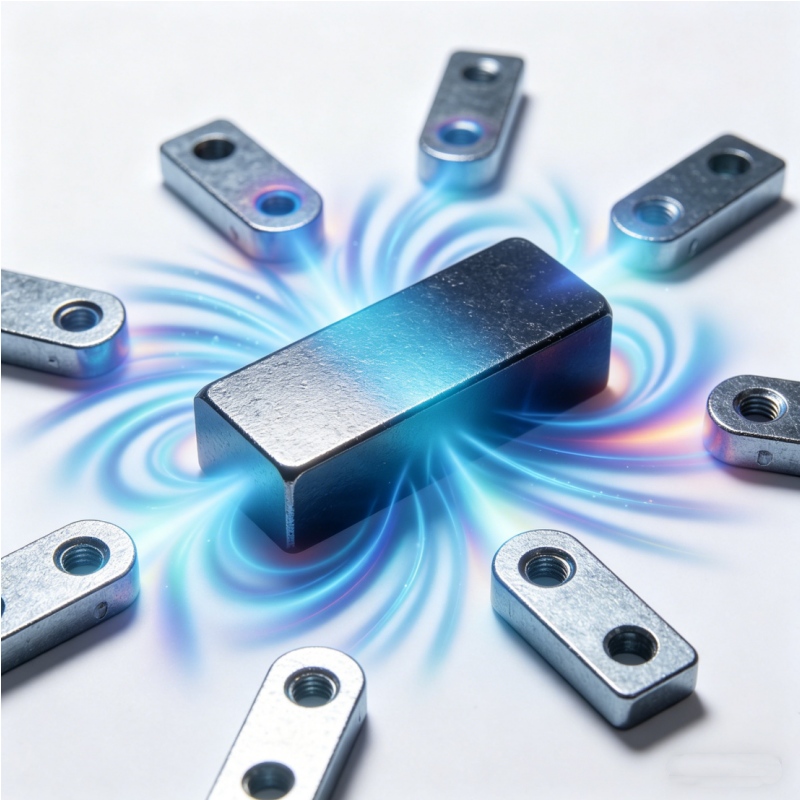
In der Praxis tritt magnetische Sättigung häufig nicht nur im Magneten selbst, sondern auch in den umgebenden Materialien auf, insbesondere in ferromagnetischen Bauteilen wie Stahl. Sind Stahlteile in einer magnetischen Anordnung gesättigt, können sie den magnetischen Fluss nicht mehr effektiv leiten. Dies reduziert die Gesamteffizienz des Magnetkreises, selbst wenn der Magnet selbst seine volle Leistung erbringt. Daher sind die richtige Materialauswahl und die korrekte Konstruktion von entscheidender Bedeutung.
Ein weiterer wichtiger Aspekt ist das Verhältnis zwischen Sättigung und Magnetgröße. Eine einfache Erhöhung der individuelle Neodym-Magnetgröße Eine proportionale Leistungssteigerung ist nicht immer gegeben, wenn der umgebende Magnetkreis bereits gesättigt ist. Ingenieure müssen die Magnetabmessungen, Luftspalte und Stützmaterialien sorgfältig aufeinander abstimmen, um eine optimale Leistung zu erzielen.
Die Temperatur beeinflusst auch das Sättigungsverhalten. Erhöhte Temperaturen können die magnetischen Eigenschaften verringern und den effektiven Betriebsbereich des Magneten verschieben. In Umgebungen mit hohen Temperaturen gewährleistet die Auswahl geeigneter Magnetsorten, dass die Leistung stabil bleibt und keine kritischen Grenzwerte erreicht werden.
Das Verständnis der magnetischen Sättigung ermöglicht einen effizienteren Einsatz von Magneten. Anstatt die Magnetstärke zu überdimensionieren, können Konstrukteure das gesamte Magnetsystem so optimieren, dass es innerhalb seines effektiven Bereichs arbeitet. Dies verbessert nicht nur die Leistung, sondern trägt auch zur Kontrolle der Materialkosten und zur Steigerung der Produktionseffizienz bei.
Zusammenfassend lässt sich sagen, dass die magnetische Sättigung die obere Grenze dessen definiert, was leistungsstarke NdFeB-Magnete kann dies leisten. Durch die Berücksichtigung von Materialeigenschaften, Systemdesign und Betriebsbedingungen können Anwender die magnetische Leistung maximieren und gleichzeitig unnötige Überdimensionierung vermeiden.
Wenn Sie an unseren Produkten interessiert sind und weitere Einzelheiten erfahren möchten, hinterlassen Sie bitte hier eine Nachricht. Wir werden Ihnen so schnell wie möglich antworten.


 en
en de
de Hefei Super Electronics Co., Ltd.


 IPv6-Netzwerk unterstützt