Bewährte Verfahren zum Einbetten von Neodym-Magneten in Kunststoffteile
Jun 09, 2026
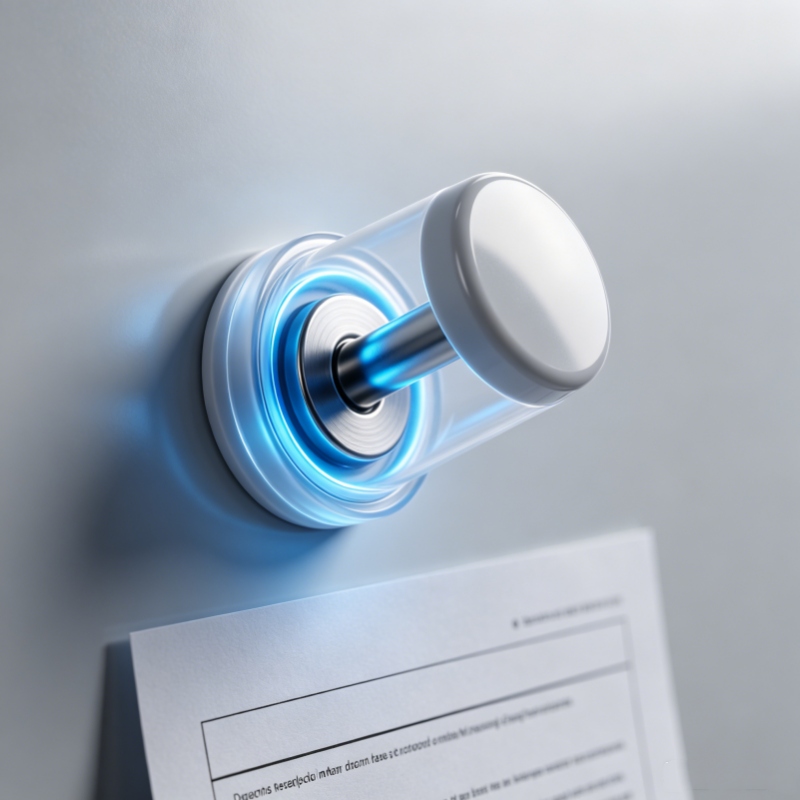
Da Produktdesigns immer kompakter und benutzerfreundlicher werden, hat sich die Integration von Neodym-Magneten in Kunststoffkomponenten branchenübergreifend als beliebte Lösung etabliert. Von Unterhaltungselektronik und Verkaufsdisplays bis hin zu Lernprodukten und Büroaccessoires bieten magnetische Baugruppen eine saubere, zuverlässige und werkzeuglose Befestigungsmethode. Ein gängiges Beispiel ist magnetische Reißnägel, die robuste Kunststoffgehäuse mit leistungsstarken Neodym-Magneten kombinieren, um Dokumente, Notizen und leichte Gegenstände sicher auf magnetischen Oberflächen zu halten.
Das Konzept mag zwar einfach erscheinen, doch erfordert die erfolgreiche Integration von Magneten sorgfältige Überlegungen in der Konstruktions- und Fertigungsphase. Unsachgemäße Einbettungsmethoden können zu geringer Haltekraft, Montagefehlern oder einer verkürzten Produktlebensdauer führen.
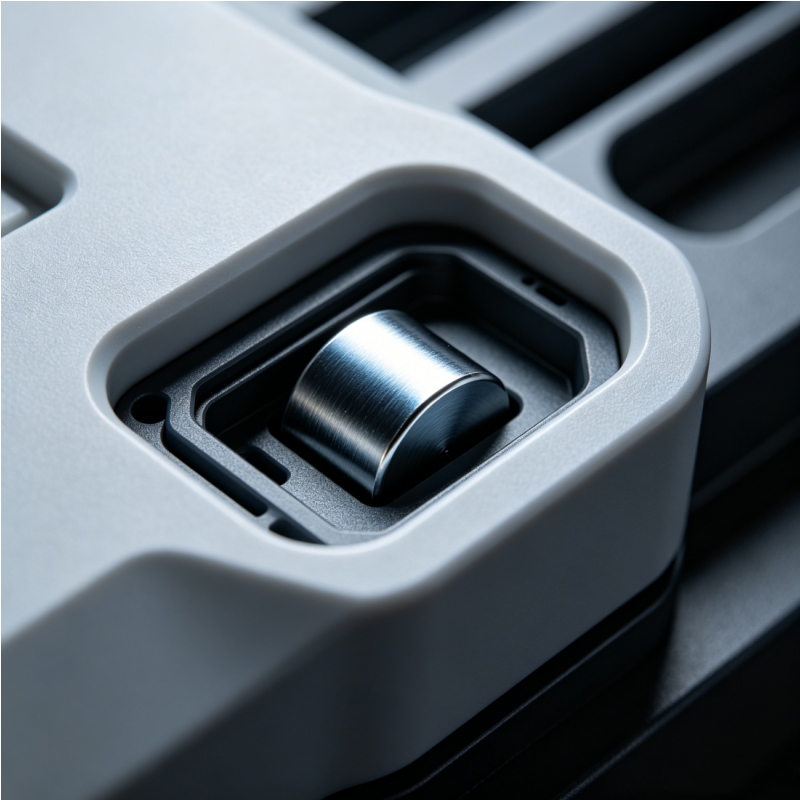
Einer der wichtigsten Faktoren ist die Wahl der richtigen Magnetgröße und -form. Ingenieure sollten vor der Auswahl eines Magneten die erforderliche Haltekraft, den verfügbaren Einbauraum und den vorgesehenen Anwendungsfall berücksichtigen. Bei magnetischen Druckstiften werden häufig CD-Magnete bevorzugt, da sie eine starke Magnetleistung bieten und gleichzeitig platzsparend in kleine Kunststoffgehäuse passen.
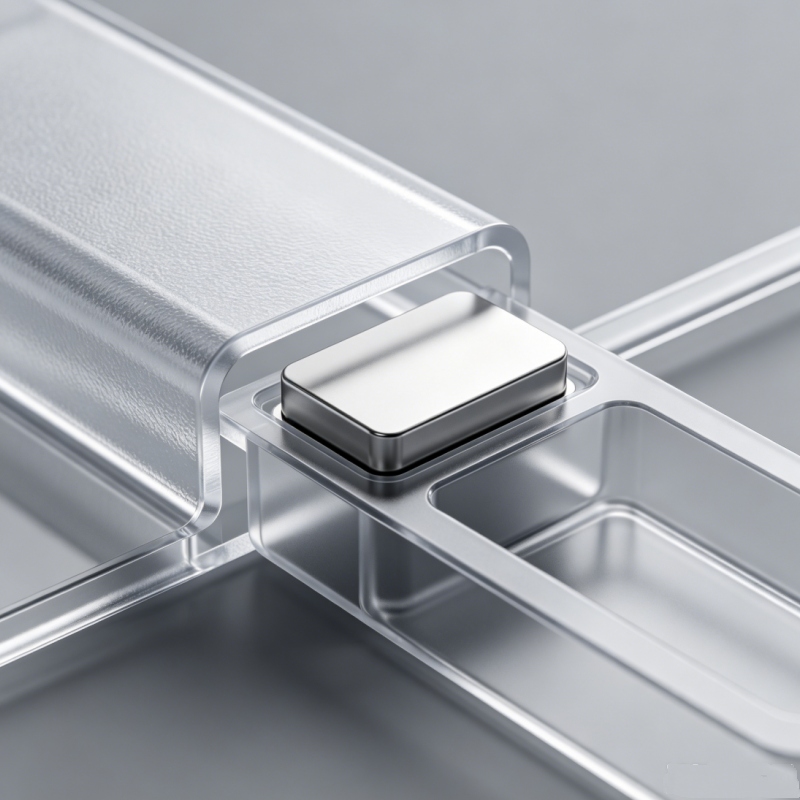
Die korrekte Positionierung des Magneten ist ebenso entscheidend. Der Magnet sollte so nah wie möglich an der Kontaktfläche platziert werden, wobei gleichzeitig eine ausreichende Kunststoffdicke gewährleistet sein muss, um Risse oder Freilegungen zu vermeiden. Zu viel Kunststoff zwischen Magnet und Zieloberfläche kann die effektive Magnetkraft erheblich reduzieren.
Ein weiterer wichtiger Aspekt ist die Montageart. Hersteller verwenden typischerweise Einpressen, Kleben, Umspritzen oder Ultraschallschweißen, um Magnete in Kunststoffteilen zu befestigen. wiederverwendbare Neodym-MagnetwerkzeugeEine sichere Fixierung ist entscheidend, um ein Verrutschen des Magneten bei längerem Gebrauch zu verhindern.
Die Temperaturkontrolle während der Produktion darf nicht vernachlässigt werden. Bestimmte Kunststoffformverfahren erfordern erhöhte Temperaturen, die die magnetische Leistung beeinträchtigen können, wenn ungeeignete Magnete verwendet werden. Produktentwickler sollten daher sicherstellen, dass die gewählten Magnete mit den Verarbeitungsbedingungen während der Fertigung kompatibel sind.
Korrosionsschutz ist ein weiterer wichtiger Faktor. Obwohl die eingebetteten Magnete durch die umgebende Kunststoffstruktur teilweise geschützt sind, kann Feuchtigkeit mit der Zeit durch kleine Spalten oder beschädigte Stellen eindringen. Die Wahl geeigneter Beschichtungen trägt zur Verbesserung der Haltbarkeit bei und gewährleistet eine stabile Leistung in verschiedenen Umgebungen.
Konstanz ist besonders wichtig für die Serienfertigung. Enge Maßtoleranzen sowohl bei Magneten als auch bei Kunststoffhohlräumen tragen zu einer zuverlässigen Montagequalität und reproduzierbaren Leistung bei. Dies ist insbesondere bei Büroartikeln, Werbeartikeln und Industriezubehör von Vorteil, wo eine gleichmäßige Haltekraft erforderlich ist.
Abschließend, Einbettung von Neodym-Magneten Die Integration von Magneten in Kunststoffteile erfordert mehr als nur das Einsetzen eines Magneten in ein Gehäuse. Die richtige Magnetauswahl, Positionierung, Montageverfahren, Umweltschutz und Fertigungskontrolle tragen wesentlich zur Produktzuverlässigkeit bei. Durch die Einhaltung dieser bewährten Verfahren können Hersteller langlebige Magnetprodukte wie magnetische Druckstifte herstellen, die eine gleichbleibende Leistung und langfristige Kundenzufriedenheit gewährleisten.
Wenn Sie an unseren Produkten interessiert sind und weitere Einzelheiten erfahren möchten, hinterlassen Sie bitte hier eine Nachricht. Wir werden Ihnen so schnell wie möglich antworten.


 en
en de
de Hefei Super Electronics Co., Ltd.


 IPv6-Netzwerk unterstützt