Die rasante Entwicklung der additiven Fertigung hat in vielen Branchen, darunter auch im Bereich der Magnetwerkstoffe, bedeutende Innovationen hervorgebracht. Mit der ständigen Weiterentwicklung der 3D-Drucktechnologie erforschen Ingenieure und Hersteller zunehmend das Potenzial von 3D-gedruckten Magneten für kundenspezifische Anwendungen. Dies wirft eine wichtige Frage auf: Werden 3D-gedruckte Magnete die herkömmlichen gesinterten Neodym-Magnete eines Tages ersetzen?
Um diese Frage zu beantworten, ist es unerlässlich, die Stärken und Schwächen beider Technologien zu verstehen.
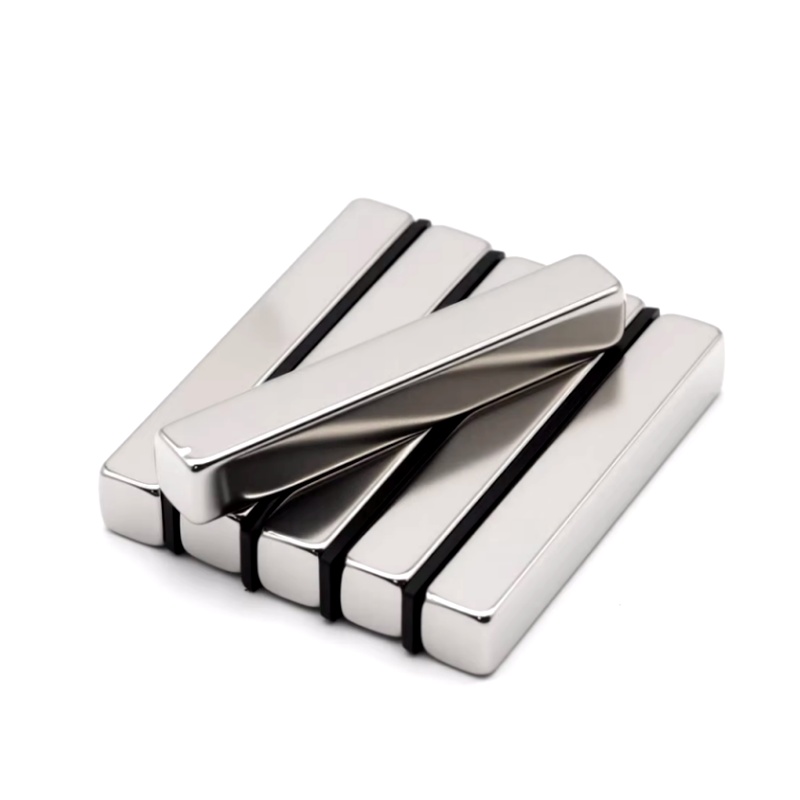
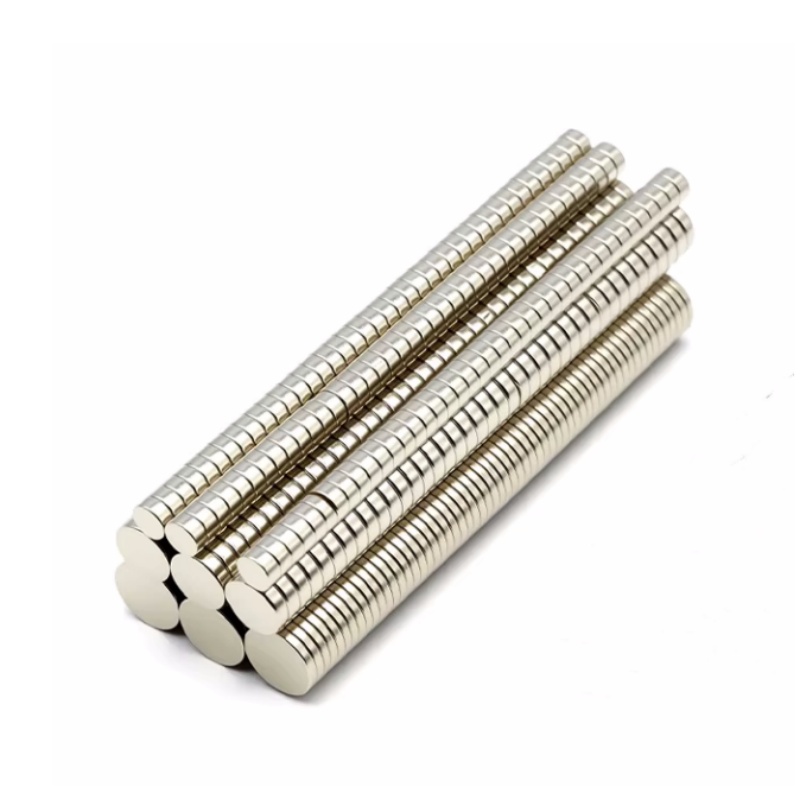
Traditionell gesinterte Neodym-Magnete Sie gelten weiterhin als Industriestandard für Anwendungen, die hohe magnetische Leistung, Maßgenauigkeit und Langzeitstabilität erfordern. Diese Magnete finden breite Anwendung in Elektromotoren, Sensoren, Anlagen der industriellen Automatisierung, Medizingeräten und Unterhaltungselektronik. Ihr Herstellungsverfahren wurde über Jahrzehnte optimiert und ermöglicht so gleichbleibende Qualität und die Produktion in großen Stückzahlen zu wettbewerbsfähigen Kosten.
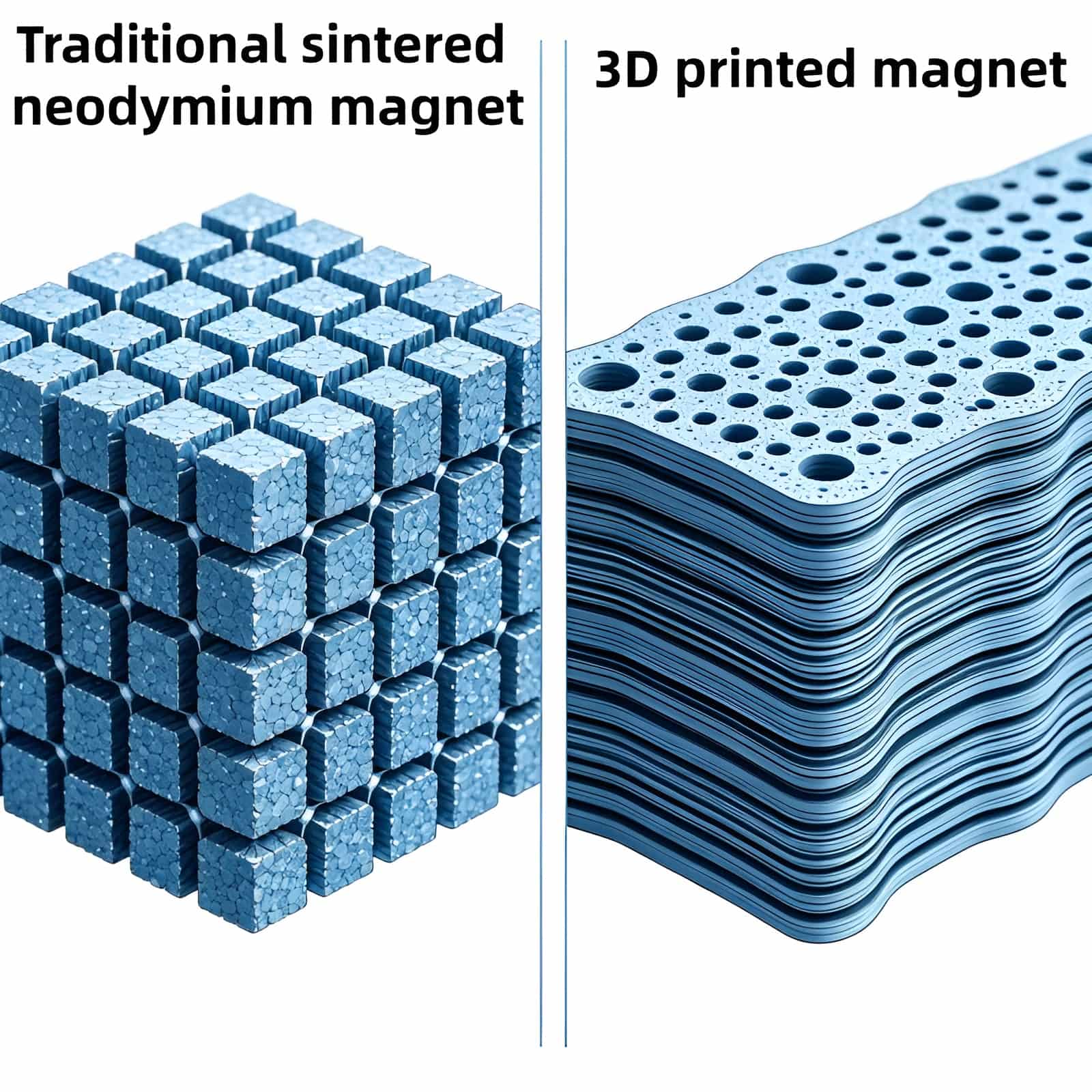
Im Gegensatz dazu bieten 3D-gedruckte Magnete eine Reihe anderer Vorteile. Einer der größten Vorteile ist die Designflexibilität. Komplexe Geometrien, deren Herstellung mit konventionellen Bearbeitungsmethoden schwierig oder kostspielig wäre, lassen sich oft direkt durch additive Fertigung realisieren. Diese Möglichkeit erlaubt es Ingenieuren, innovative Magnetbauteile zu entwickeln, die auf spezifische Produktdesigns zugeschnitten sind.
Ein weiterer Vorteil des 3D-Drucks ist die schnelle Prototypenerstellung. Hersteller können rasch Musterteile produzieren, Entwürfe evaluieren und Anpassungen vornehmen, ohne in Spezialwerkzeuge investieren zu müssen. Dies verkürzt die Produktentwicklungszyklen erheblich und reduziert die Entwicklungskosten in den frühen Projektphasen.
Die aktuelle 3D-Drucktechnologie für Magnete steht jedoch noch vor einigen Herausforderungen. In vielen Fällen entspricht die magnetische Leistung gedruckter Magnete noch nicht der von herkömmlichen Magneten. leistungsstarke gesinterte NdFeB-MagneteBei Großaufträgen kann die Produktionsgeschwindigkeit ebenfalls geringer ausfallen, was die Massenfertigung weniger wirtschaftlich macht. Darüber hinaus entwickeln sich die Standards für Langzeitbeständigkeit und Konsistenz in einigen Bereichen der Branche noch weiter.
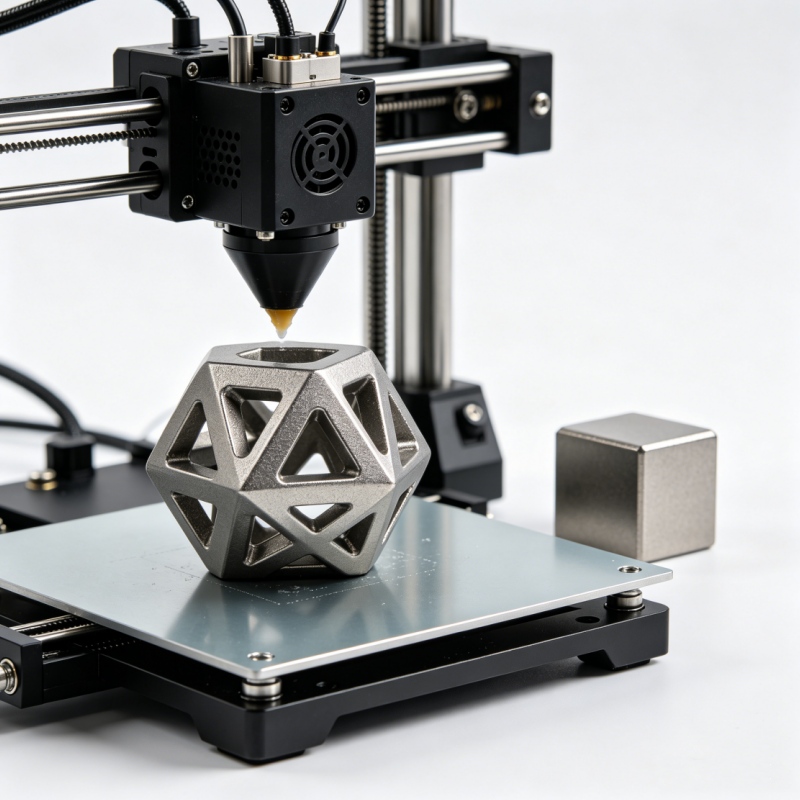
Daher werden sich die beiden Technologien in naher Zukunft eher ergänzen als direkt miteinander konkurrieren. 3D-gedruckte Magnete eignen sich besonders für Prototypen, Kleinserienfertigung, komplexe Geometrien und spezielle Ingenieurprojekte. Gesinterte Neodym-Magnete bieten hingegen weiterhin überlegene Leistung und Kosteneffizienz für industrielle Großanwendungen.
Zukünftig könnten Fortschritte in der Materialwissenschaft und der additiven Fertigung die Leistungsfähigkeit von 3D-gedruckten Magneten weiter verbessern. Dennoch dürften traditionelle gesinterte Neodym-Magnete voraussichtlich noch viele Jahre die bevorzugte Lösung für die meisten kommerziellen und industriellen Anwendungen bleiben.
Anstatt herkömmliche Neodym-Magnete zu ersetzen, schafft der 3D-Druck neue Möglichkeiten, die die Einsatzmöglichkeiten erweitern. Neodym-Magnetkomponente Konstruktion und Fertigung.


 en
en de
de Hefei Super Electronics Co., Ltd.


 IPv6-Netzwerk unterstützt